
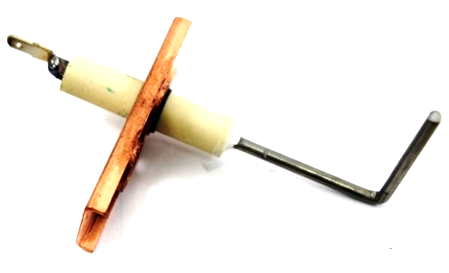
Armstrong Furnace R43127-001 Flame Sensor
The Armstrong Furnace R43127-001 Flame Sensor is a critical OEM replacement part designed for precision flame rectification in residential heating systems. This furnace flame sensor acts as a primary safety component, communicating directly with the integrated furnace control board to confirm burner ignition. If the sensor fails to detect the required microamp signal within the ignition trial period, the system triggers a safety lockout to prevent the accumulation of unburned gas. Engineered for high-temperature durability, this component is essential for maintaining HVAC system reliability and ensuring stable furnace combustion even during high-demand heating cycles.
This genuine Armstrong part is a direct cross-reference for multiple Allied Air brands, including AirEase, Concord, Ducane, and Lennox furnace models. For field technicians, the R43127-001 offers a seamless fit for the burner assembly, replacing legacy part numbers 43127-001 and 43127001. When diagnosing common "short cycling" issues or 7-blink error codes, replacing a pitted or oxidized HVAC flame sensor is the standard industry practice to restore heating system efficiency and prevent costly emergency service calls. This part is rated for standard residential 120V ignition systems and features a precision-formed rod for optimal placement within the flame envelope.
- Direct OEM Compatibility: Verified fit for Armstrong, AirEase, Concord, Ducane, and Allied Air furnace units.
- Enhanced Safety Logic: Reliable flame detection prevents dangerous gas accumulation during ignition failures.
- Industrial-Grade Construction: High-alloy metal sensor rod resists carbon buildup and thermal degradation.
- Optimized Signal Strength: Ensures consistent microamp readings for the furnace control board to prevent nuisance trips.
Common Questions
How do I know if my Armstrong flame sensor is bad?
If your furnace ignites and then shuts down within 2 to 5 seconds, the sensor is likely the culprit. You can verify this by checking for a 7-blink or 8-blink error code on your control board or testing the microamp output with a multimeter.
Can I clean the R43127-001 instead of replacing it?
While cleaning with a fine abrasive pad (like a dollar bill or steel wool) can temporarily restore function, excessive oxidation or pitting on the rod surface necessitates a full flame sensor replacement to maintain long-term HVAC performance.
What causes a flame sensor to fail?
Most failures are caused by silica or carbon deposits coating the rod, which insulates it from the flame. Environmental factors like high humidity or dust in the mechanical room can accelerate this degradation.
Disclaimer: While we strive for 100% accuracy, product data and specifications are subject to change. Please contact our team to confirm compatibility or technical details before purchasing.
QUESTIONS & ANSWERS
Have a Question?
Be the first to ask a question about this.