
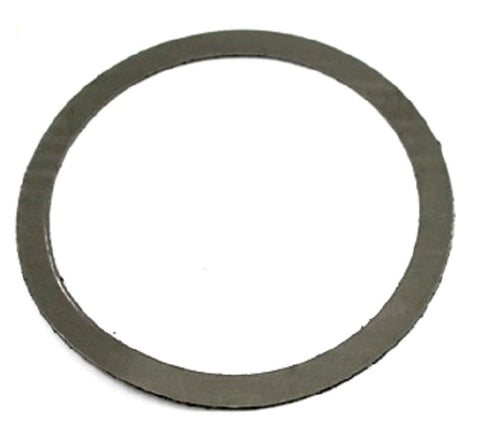
Armstrong International A22284-1 Body Gasket
The Armstrong International A22284-1 Body Gasket is a critical replacement component engineered for high-pressure sealing in steam and liquid systems. This inverted bucket trap gasket ensures a leak-proof interface between the body and cap, maintaining system integrity under fluctuating thermal loads. Designed specifically for Armstrong 213, 313, and 413 series traps, it also provides a primary seal for 3 and 33 series liquid drainers and air vents, as well as 2313HLS and 2413HLS high leverage drainers. Utilizing high-grade materials resistant to steam-induced degradation, this industrial steam trap seal prevents bypass leaks and pressure loss. When performing routine maintenance or a full rebuild, using a precision-cut A22284-1 gasket is essential for meeting manufacturer torque specifications and preventing flange surface erosion. This component is the standard for contractors requiring reliable steam trap repair parts for heavy-duty HVACR and process applications.
Key Benefits- Compatible with Armstrong 200, 300, and 400 series inverted bucket traps for versatile field application.
- Ensures a positive seal for liquid drainers and air vents, preventing hazardous fluid leaks.
- Engineered to withstand the thermal cycling associated with high-pressure steam service.
- Precision dimensions allow for accurate seating and consistent bolt loading during installation.
- Reduces maintenance downtime by providing a reliable fit for high leverage drainers.
What causes a body gasket to fail in an inverted bucket trap?
Differential expansion, improper bolt torque, and prolonged exposure to high-velocity steam can cause traditional seals to compress beyond their elastic limit, resulting in leakage.
Are these gaskets compatible with both cast iron and stainless steel bodies?
The A22284-1 is designed for specific series dimensions; always verify the trap model number to ensure the gasket material and thickness match the original HVACR replacement part specifications.
Can I reuse the old gasket if it looks intact?
No. Gaskets undergo permanent deformation once torqued. Reusing a gasket risks steam cutting the flange faces, leading to costly housing replacements.
Disclaimer: While we strive for 100% accuracy, product data and specifications are subject to change. Please contact our team to confirm compatibility or technical details before purchasing.
QUESTIONS & ANSWERS
Have a Question?
Be the first to ask a question about this.