
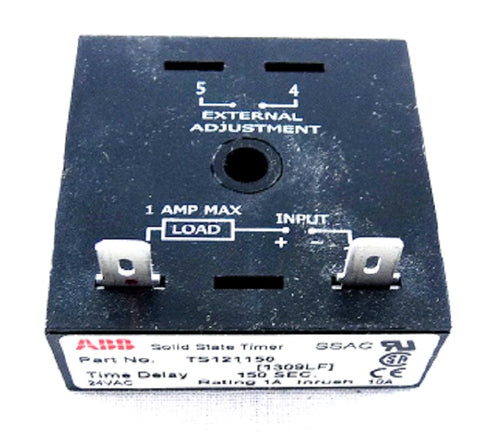
Weil McLain 510-350-211 Delay Timer
The Weil McLain 510-350-211 Delay Timer is a critical solid state component designed to optimize burner ignition sequences in residential and commercial boiler systems. Engineered for a 2 1/2 minute delay on make, this 24-volt electrical delay timer prevents damaging short cycling by maintaining precise control over the duration between system calls and burner activation. For technicians servicing legacy Weil McLain CE boilers and electric furnaces, this genuine OEM part serves as a direct-fit solution for maintaining system integrity and energy efficiency. The solid-state design ensures reliability by eliminating mechanical wear, which is essential for protecting the primary controller and ignition components from premature failure. Incorporating this HVAC delay timer into your maintenance protocols helps ensure steady heating operations and extends the operational life of the equipment. Whether you are performing a routine control check or troubleshooting a burner ignition lag, the 510-350-211 provides the exact timing specifications required for original equipment performance standards.
Key Benefits- Short Cycling Prevention: The 150-second delay protects the compressor and burner components from rapid on/off cycles.
- OEM Compatibility: Specifically engineered for Weil McLain CE series boilers to ensure seamless integration with 24V control circuits.
- Solid State Reliability: No moving parts means increased resistance to vibration and environmental wear compared to mechanical relays.
- Optimized Ignition: Provides the necessary buffer to allow system pressures or flue gases to stabilize before the next ignition cycle.
Is the 510-350-211 compatible with modern Ultra series boilers?
This timer is primarily designed for CE series boilers and specific electric furnace applications; always verify the part number against the original wiring schematic before installation.
What happens if the delay timer fails?
A failed timer typically results in a burner that either fails to ignite or exhibits rapid cycling, which can lead to significant component strain and secondary system failures.
Does this part require a specific mounting orientation?
As a solid-state component, it is less sensitive to orientation than mechanical relays, but it should be installed within the control cabinet to protect it from moisture and extreme heat.
Disclaimer: While we strive for 100% accuracy, product data and specifications are subject to change. Please contact our team to confirm compatibility or technical details before purchasing.
QUESTIONS & ANSWERS
Have a Question?
Be the first to ask a question about this.