
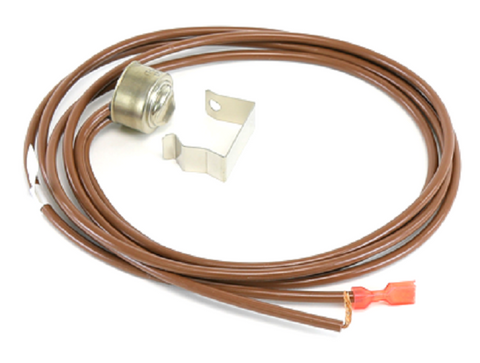
York S1-025-31927-000 Limit Switch
The York S1-025-31927-000 Auto Limit Switch is a high-precision OEM furnace safety control designed to monitor and regulate internal heat exchanger temperatures. This SPST temperature control features a 5/8-inch footprint and is engineered to protect HVAC equipment by opening the circuit at 240°F and automatically resetting (closing) when the temperature drops to 155°F. Built for heavy-duty York gas furnace and heat pump applications, such as the FRHS series, this limit switch replacement ensures the blower and burner assemblies operate within safe thermal thresholds. Its snap-action bimetal disc design provides responsive switching, preventing heat exchanger damage and system failure due to restricted airflow or high-temperature excursions. For service technicians, this direct-fit replacement part streamlines maintenance by restoring the factory safety circuit without the need for field modifications.
Key Benefits:
- Automatic Reset Logic: Eliminates manual intervention by re-engaging the circuit once the unit cools to 155°F.
- OEM Precision: Guaranteed York compatibility for critical safety circuits in gas furnaces and heat pumps.
- High-Temperature Protection: Triggers a shut-down at 240°F to prevent heat exchanger overheating.
- Commercial-Grade Durability: Robust SPST configuration designed for frequent cycling in demanding residential and light commercial environments.
Common Questions:
How do I know if the limit switch is failed open? Use a multimeter to check for continuity across the terminals when the furnace is cool. If you have no continuity and the temperature is below 155°F, the bi-metal disc or contacts have likely failed.
Is this switch compatible with other HVAC brands? While designed as a York OEM part, many Johnson Controls, Luxaire, and Coleman units utilize the S1-025-31927-000. Always verify the L240-85 temperature rating stamped on the original part.
Why is my limit switch tripping repeatedly? Frequent tripping usually indicates restricted airflow, such as a clogged filter, blocked return, or a failing blower motor, rather than a faulty switch.
Disclaimer: While we strive for 100% accuracy, product data and specifications are subject to change. Please contact our team to confirm compatibility or technical details before purchasing.
QUESTIONS & ANSWERS
Have a Question?
Be the first to ask a question about this.