
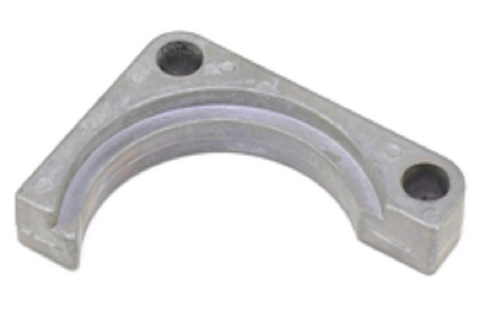
Sensus 143-16-102-01 Clamp
The Sensus 143-16-102-01 Clamp is a critical flange ring clamping plate engineered specifically for the Sensus 243S gas regulator series. As a direct 143-16-102-01 replacement for 143-16-102-00, this updated component addresses the specialized requirements of high-capacity gas distribution systems. This regulator clamping plate provides the necessary mechanical compression to secure the diaphragm assembly to the regulator body, ensuring a leak-free seal under variable inlet pressures. Designed for commercial gas regulator maintenance and industrial meter sets, the 143-16-102-01 flange ring is manufactured by Sensus (Xylem) to exact tolerances, maintaining structural integrity in high-torque applications. Whether you are performing a routine inspection or a full rebuild of a 243-12 or 243-8 model, using an authentic Sensus regulator part is essential for maintaining the factory-rated performance and safety certifications of your gas train equipment.
Key Benefits for Technicians
- Direct Supersession: Seamlessly replaces the legacy 143-16-102-00 part number, ensuring full compatibility with existing 243S regulator bodies.
- Vibration Resistance: Precision-cast design prevents loosening due to pipeline harmonics or rapid load changes in industrial environments.
- Critical Seal Integrity: Distributed clamping force ensures uniform pressure across the diaphragm flange, preventing bypass leaks and pressure fluctuations.
- Field Reliability: Durable alloy construction resists corrosion and mechanical fatigue common in outdoor gas meter installations.
Common Questions
Is the 143-16-102-01 compatible with all Sensus 243S models?
Yes, this flange ring clamping plate is the standard specification for the 243S series. It is frequently sourced for 243-8, 243-12, and 243-SR models where a robust 1-piece clamp is required for the upper housing assembly.
Does this clamp replace the older two-piece or bolt-heavy versions?
The Sensus 143-16-102-01 is the updated single-piece flange ring designed to streamline maintenance and offer more consistent torque distribution compared to older iterations.
What are the signs that a clamping plate needs replacement?
Technicians should inspect for hairline fractures, warping from over-torquing, or significant pitting. Replacing the clamp during a diaphragm change ensures the regulator maintains its set point stability under high flow conditions.
Disclaimer: While we strive for 100% accuracy, product data and specifications are subject to change. Please contact our team to confirm compatibility or technical details before purchasing.
QUESTIONS & ANSWERS
Have a Question?
Be the first to ask a question about this.