
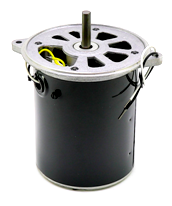
Nidec-US Motors 2302 Motor
The Nidec-US Motors 2302 is a robust 1/4 HP oil burner motor engineered for high-static pressure applications requiring a 3450 RPM synchronous speed. Operating on a standard 115V single-phase power supply, this Permanent Split Capacitor (PSC) motor draws 3.7 full-load amps, providing high starting torque with improved efficiency compared to split-phase alternatives. Built on a 48N NEMA frame with an N-flange mount, it features a 1/2" diameter shaft and an Open Drip Proof (ODP) enclosure designed for optimal cooling in clean, indoor environments. This model is a direct replacement for US Motors 917301 and serves as a versatile service part for residential and light commercial oil heating systems. Its reversible rotation capability and ball bearing construction ensure long-term mechanical stability and simplified inventory management for contractors handling diverse burner configurations.
- Universal Compatibility: The N-flange mounting and 1/2" shaft allow for seamless integration with major oil burner brands.
- High-Speed Performance: 3450 RPM rating ensures consistent air volume for precise combustion control.
- Industrial Build Quality: Features ball bearings for reduced friction and heat dissipation in demanding duty cycles.
- Direct Cross-Reference: Confirmed 1:1 replacement for model 917301, simplifying the component sourcing process.
Common Questions
Is the 2302 motor compatible with Becket or Carlin burners?
Yes, provided the flange dimensions and 1/2" shaft match your specific burner housing, the 2302 is a standard replacement for many 48N frame oil burner motors.
Can the rotation be changed in the field?
This unit features reversible rotation, allowing technicians to switch between clockwise and counter-clockwise rotation to match the pump and fan requirements of the specific equipment.
What are the benefits of the PSC design over older motors?
The Permanent Split Capacitor design offers higher running efficiency and lower amp draw than induction-start motors, reducing stress on the electrical circuit.
Disclaimer: While we strive for 100% accuracy, product data and specifications are subject to change. Please contact our team to confirm compatibility or technical details before purchasing.
QUESTIONS & ANSWERS
Have a Question?
Be the first to ask a question about this.